Upgrade Your Living Area: Crucial Insights Regarding Home Renovation Work for Every Homeowner
Homeowners often seek ways to improve their homes via professional remodeling. Such undertakings may vary from kitchen upgrades to full house remodeling. Knowing the choices accessible is essential for making informed decisions. Additionally, there are real-world factors such as setting a budget and contractor selection. As householders start this endeavor, they may find themselves facing surprising obstacles. Achieving a successful makeover requires thorough design and performance. Which actions should follow?
Knowing the Various Categories of Residential Renovation Work
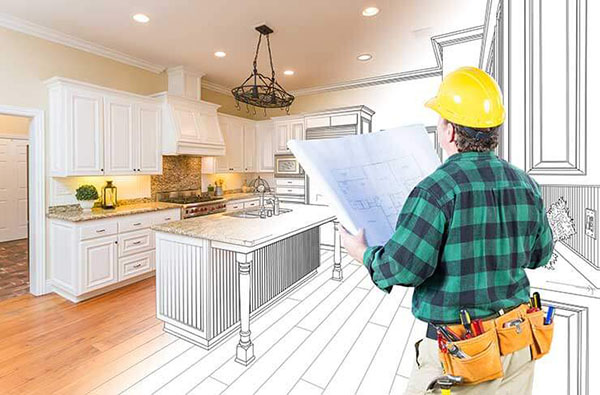
When property owners think about upgrading their residences, they often encounter many different types of services tailored to different needs and preferences. These options can be widely classified into a few distinct groups, each addressing specific aspects of house upgrades. Renovating the kitchen involves updating appliances, the cabinets, and the design to enhance functionality and visual appeal. Bathroom remodeling typically involves upgrading fixtures, tiling, and storage solutions for better convenience and design.
Whole-home remodeling encompasses extensive modifications to the entire house, sometimes requiring major structural work to maximize the area and flow. External improvement work, on the other hand, focus on boosting the home's outward appearance, addressing siding, roofing, and landscaping. Furthermore, specific options including converting the cellar and upgrading the attic enable property owners to utilize fully unused areas. All these service types delivers specific perks, allowing property owners to select choices that fit their desired outcome for their residence. Knowing these variations is vital for choosing wisely while undertaking the upgrade.
Setting a Realistic Budget for Your Renovation Undertaking
How can homeowners guarantee their remodeling projects remain economically sound? Setting a practical budget is necessary. Property owners must start by determining their fiscal limits, including savings and potential financing options. This first stage allows one to figure out the funds available for the remodel while maintaining other fiscal obligations.
Afterward, those undertaking the remodel should look into the financial requirements of their intended changes, taking into account materials, labor, and unexpected costs that frequently occur. Making an exhaustive list of needs aids in identifying must-haves versus nice-to-haves, enabling modifications if the finances are strained.
It's wise to include a contingency fund, usually about 10-20% of the overall cost, to handle unforeseen expenses. Regularly reviewing and adjusting the budget as the updating work progresses can further assist in keeping finances in check. Finally, a thoroughly prepared budget does more than just confirm the project can be done but also enhances the overall remodeling experience for those living in the home.
Finding the Best Contractor for Your Requirements.
Choosing the appropriate professional can significantly affect how well a renovation turns out. Homeowners should begin by performing extensive investigation, seeking recommendations from friends, family, or online reviews. It is essential to confirm documentation, such as licenses, insurance, and surety bonds, to establish credibility.
Once potential contractors are identified, property owners must ask for comprehensive quotes and schedules, making it possible to compare options knowledgeably. Discussions reveal their approach to dialogue and their level of expertise, which are essential for a collaborative process.
Furthermore, examining previous work via portfolios or referrals shows the builder's standard of work. Property owners must also ask about guarantees or assurances, reflecting the contractor's confidence in their work.
Ultimately, selecting a contractor who aligns with the homeowner’s vision, budget, and timeline creates a description better renovation journey, guaranteeing that the project meets expectations and transforms the living space effectively.
Organizing and Conceptualizing The Space You Envision.
As those renovating imagine their desired rooms, careful planning and thoughtful design are crucial elements of a triumphant renovation effort. The beginning stage requires reviewing existing necessities and future desires, to gain a complete comprehension of the area's utility. Owners must take into account functionality, aesthetics, and personal style, making sure the design captures their individual tastes.
Following this, establishing a thorough budget is crucial. This budget should account for materials, labor, and contingency funds. Consulting with design experts can offer helpful perspectives, assisting in improving the layout and respecting budgetary constraints.
Incorporating elements like natural light, spacious designs, and eco-friendly supplies can elevate the living environment. Finally, visualizing the project through mock-ups or 3D visualizations can help perfect concepts before starting the work. By approaching the planning and design phase with intention, homeowners can build a comfortable, effective space customized for their needs.
Navigating Permits and Regulations in House Renovation
Familiarizing oneself with the red tape and requirements can be challenging for homeowners embarking on a renovation. Every local government sets particular guidelines that govern what can be done during renovations, typically guided by area restrictions, building codes, and security requirements. Owners need to acquaint themselves with local regulations to avoid costly fines or construction hold-ups.
In most cases, getting permits is mandatory for major changes, such as modifying load-bearing elements or electrical work. This process usually necessitates providing designs for examination and might demand site visits at different phases.
Hiring an experienced builder can simplify this process, as they are usually well-versed in local regulations and can assist with paperwork. Owners must also maintain clear communication with the city's regulatory body to verify legality throughout the project. By comprehending and working within these rules, homeowners can achieve their remodeling goals while guaranteeing that the work is safe and legal in their renovations.
FAQs
How Much Time is Needed for a Typical Remodeling Job?

A typical home remodeling project usually takes three to six months on average, contingent upon the extent of the project, size of the home, and availability of materials. Complex projects may require additional time for completion.
What are frequent blunders to avoid when renovating?
Frequent errors during remodeling include underestimating budgets, neglecting permits, missing scheduled deadlines, failing to communicate effectively with your builders, and failing to think about long-term functionality. Knowing these potential problems often results in a more efficient, more successful renovation project.
How do I choose the appropriate materials for my project?
Selecting appropriate supplies requires assessing their resilience, aesthetics, and budget. Looking into different products, talking to specialists, and thinking about upkeep can greatly aid in making informed decisions, making sure the renovation matches your functional and aesthetic goals.
Will I be able to reside in my property while the remodeling is happening?
It is possible to remain in their home while work is ongoing, but it may lead to inconvenience. Detailed organization, clear communication with contractors, and creating defined spaces where you can live normally can lessen the stress during the process.
What guarantees should I look for from the renovation company?
You should anticipate receiving warranties that guarantee the quality of the work, materials, and the integrity of the structure, typically ranging from one to ten years. You must carefully check specific terms and conditions alongside your builders to understand coverage and limitations fully.